
Desi Protein: Indian Protein Foods, Homemade Protein Powder & High-Protein Diet Plan
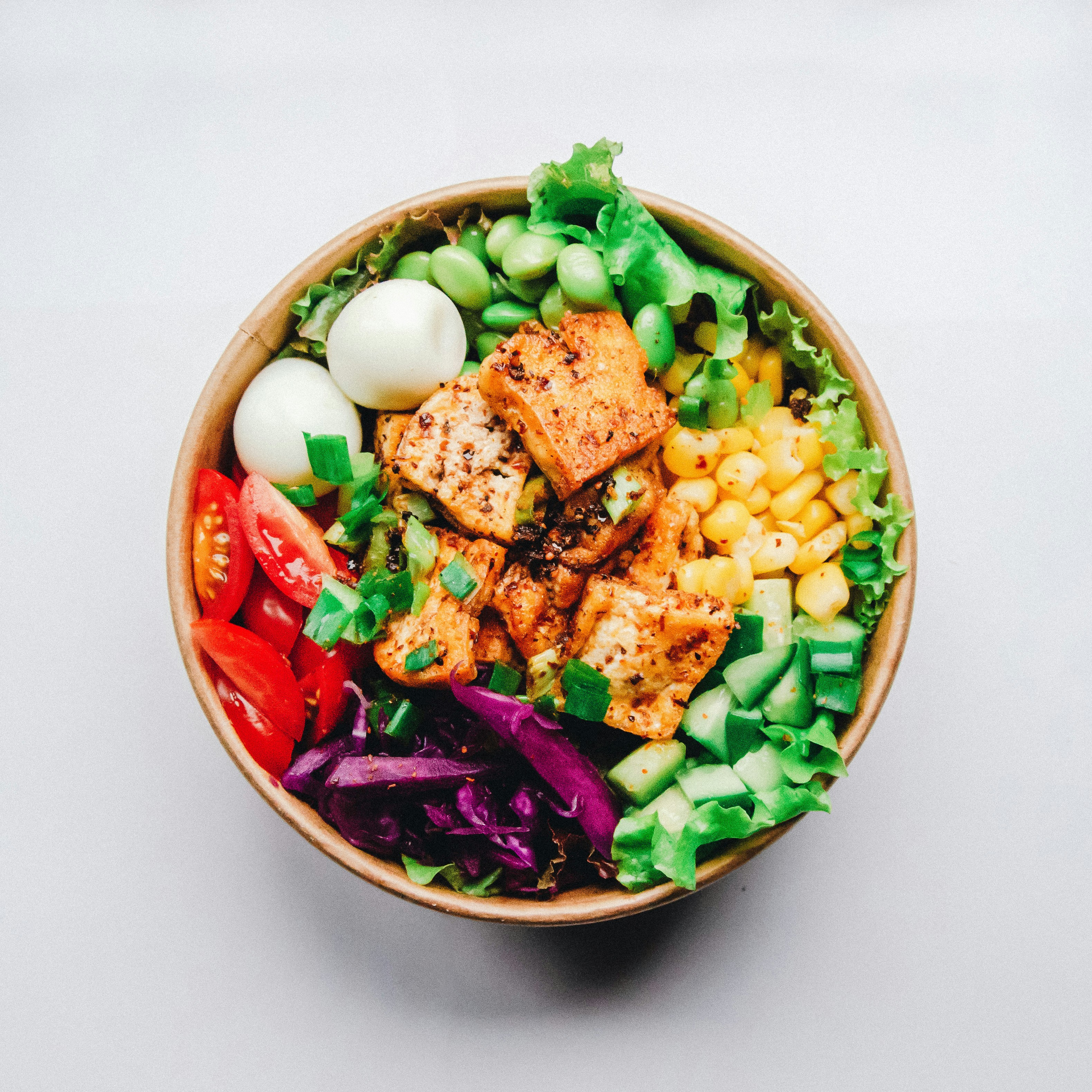
Traditional Indian protein sources: dals, legumes, nuts and spices
As India becomes more health-conscious, searches for Desi Protein, homemade desi protein powder, and high protein Indian foods have skyrocketed. With expensive supplements dominating the fitness market, people are rediscovering the power of our traditional protein-rich foods — dals, chana, soy, paneer, eggs, and even sattu.
everything you need to know about desi protein, in a simple but expert-backed tone. Whether you want muscle gain, weight loss, better nutrition, or a budget-friendly diet plan.
1. What Exactly Is Desi Protein? (Simple Definition + Expert Explanation)
Desi Protein is the term used for naturally occurring Indian protein sources that fit into traditional diets. These include:
- Dals and lentils
- Chana, rajma, lobia
- Soy and tofu
- Paneer, curd, milk
- Peanuts, almonds, seeds
- Eggs, chicken, fish (optional non-veg)
- Traditional protein mixes like sattu
- Homemade desi protein powders
The beauty of desi proteindesi protein is that it aligns with Indian cooking styles and budget. Unlike whey protein, which is fast-absorbing but expensive, desi protein foods are accessible, homemade, and rich in fiber, minerals, and slow-release energy.
2. Why Indians Should Focus on Desi Protein (Especially Vegetarians)
Most Indian diets are carb-heavy and protein-limited. Research shows that the average Indian consumes only 0.6 g/kg/day — far below the recommended 1.0 g/kg/day.
That's why desi protein sources are critical:
- They fit naturally into Indian meals
- They are low-cost compared to supplements
- They support muscle repair and energy levels
- They are easy to prepare daily
- They are rich in fiber, unlike whey
These reasons make desi protein an excellent solution for students, office-goers, athletes, women, and elders.
3. The Complete List of High-Protein Indian Foods (Veg + Non-Veg)
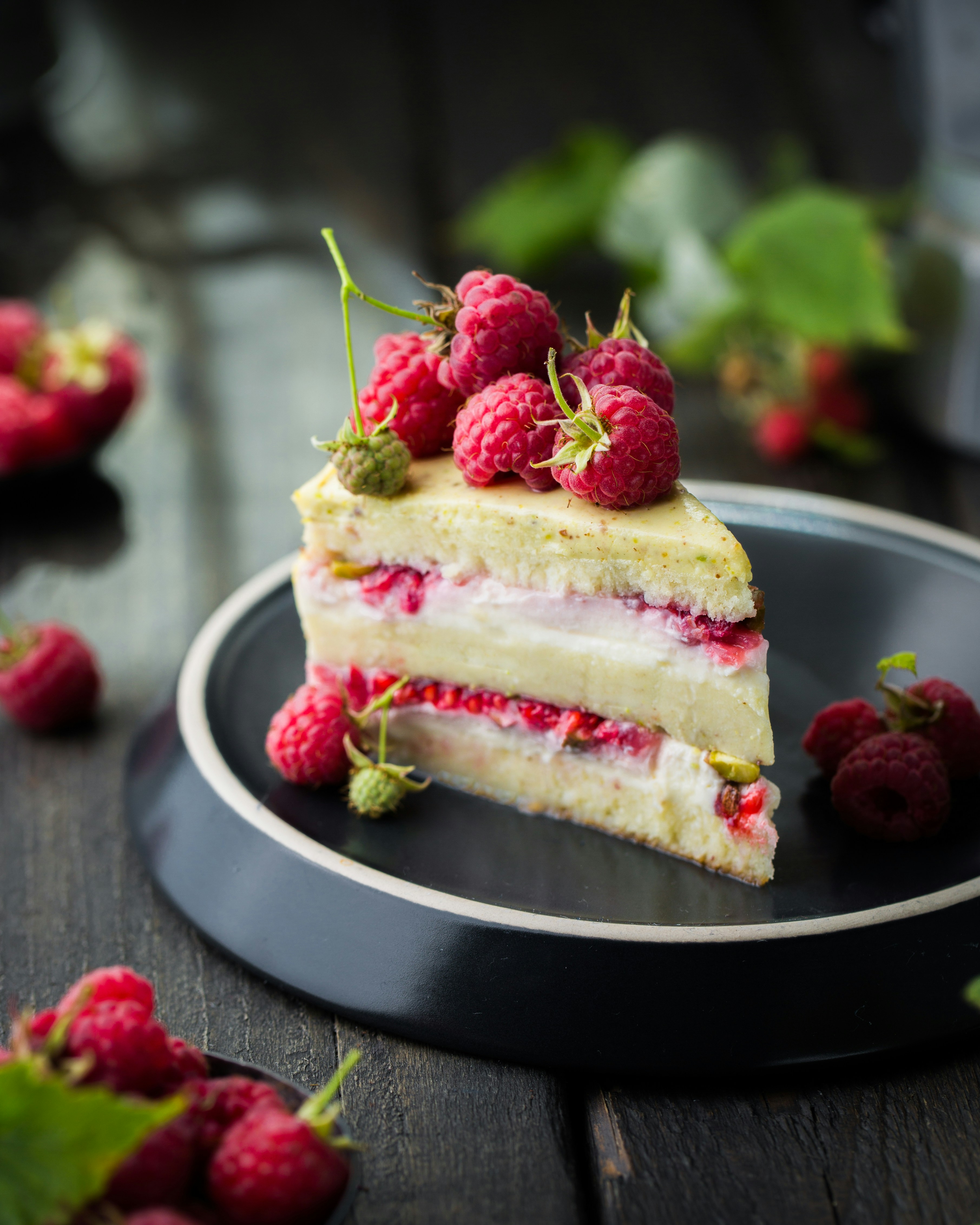
Vegetarian protein sources: paneer, lentils, soy and legumes
Vegetarian Desi Protein Sources (Top Choices)
| Food | Protein per 100g | Notes |
|---|---|---|
| Paneer | 18–20g | Easy to cook, versatile |
| Soy chunks | 28–30g | Highest veg protein |
| Moong dal | 7–9g | Light, digestive-friendly |
| Chana | 8–10g | Great for salads & chaat |
| Rajma | 7–9g | Power + comfort food |
| Peanuts | 25–26g | Budget-friendly |
| Curd | 11g | Improves gut health |
Non-Vegetarian Desi Protein Sources
- Eggs — 6–7g per egg
- Chicken breast — 31g per 100g
- Fish (Rohu, Mackerel) — 18–22g
These foods are excellent additions to boost your daily protein intake.
4. Homemade Desi Protein Powder (Budget Friendly + High Protein)
Ingredients for homemade desi protein powder: pulses, nuts and grains
Ingredients:
- 200g roasted chana
- 200g roasted peanuts
- 200g roasted moong dal
- 150g soy chunks (roasted)
- 150g ragi/bajra roasted
- Optional: cardamom, jaggery powder
Method:
- Roast all ingredients individually.
- Cool completely.
- Grind in batches.
- Sieve for fine texture.
- Store airtight.
Benefits:
- Cheaper than whey
- Vegetarian-friendly
- No chemicals
- High in fiber + minerals
5. Is Desi Protein Good for Muscle Gain?
Yes — and here's why:
- Protein stimulates muscle protein synthesis
- Indian foods contain slow-release amino acids
- Soy and paneer offer complete proteins
Best Desi Protein Combos for Muscle Building:
- Paneer + roti
- Rajma + chawal
- Moong chilla + curd
- Tofu stir fry + rice
- Eggs + peanuts (budget friendly!)
6. Desi Protein vs Whey Which One Should You Choose?
| Feature | Desi Protein | Whey Protein |
|---|---|---|
| Cost | Very low | Expensive |
| Absorption | Slow | Fast |
| Best For | Daily meals | Post-workout |
| Additives | None | Often many |
| Satiety | High | Moderate |

Natural desi protein sources vs processed whey protein
Verdict: Both work. Use desi protein throughout the day and whey only if your workouts demand quick recovery.
7. Sattu Protein Powder — Myth vs Reality
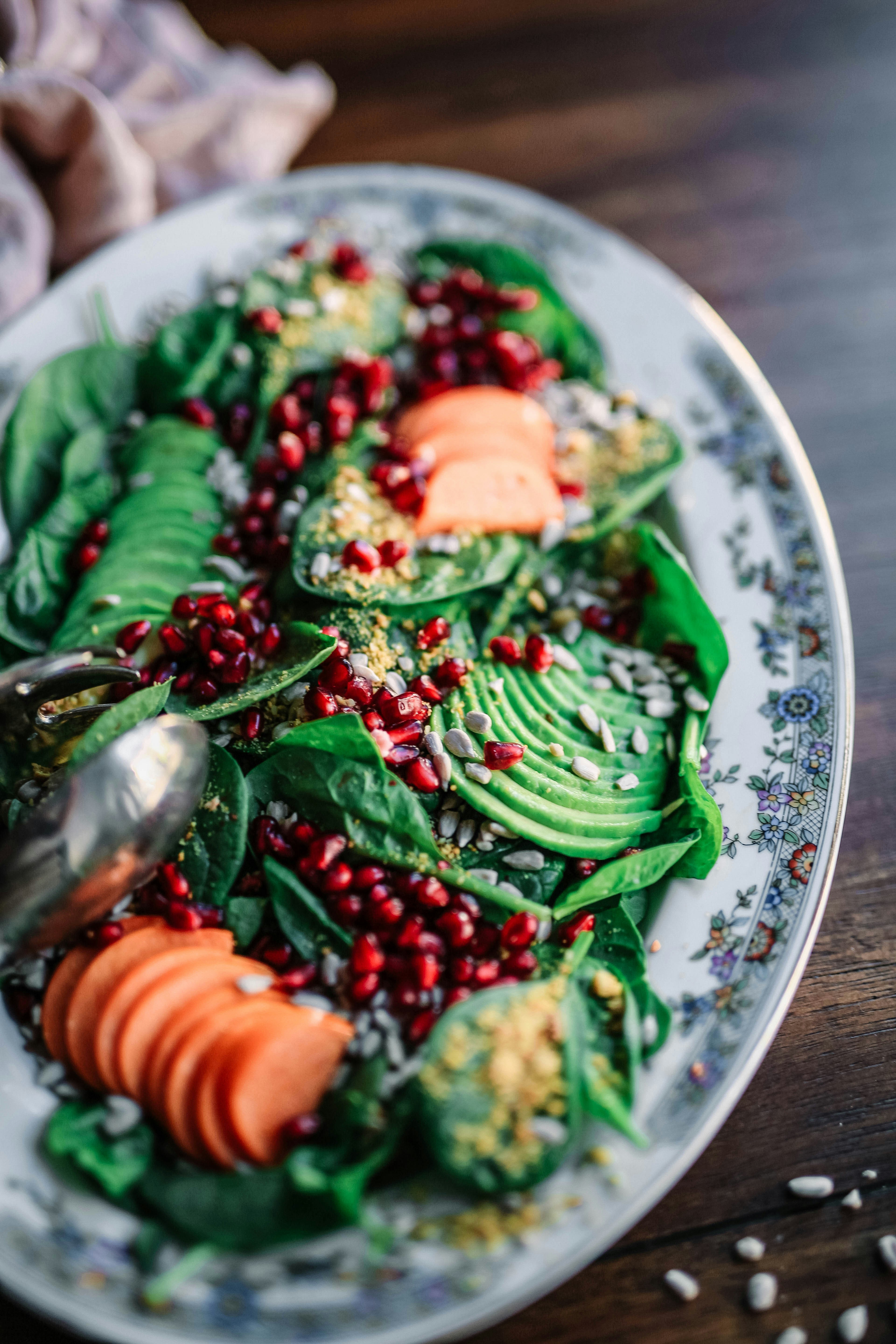
Sattu - traditional roasted gram flour with nutritional benefits
Sattu is often marketed as a "desi whey." But here is the truth:
- It is nutritious, rich in fiber and minerals.
- But not a complete protein.
- You must combine it with curd/milk or nuts to improve its amino profile.
8. A Complete 7-Day Desi Protein Diet Plan (Vegetarian)
Daily Protein Target: 60–100g depending on weight
Sample Day:
- Breakfast: Moong chilla + desi protein shake
- Snack: Peanut chikki
- Lunch: Rajma + rice + salad
- Evening: Curd + roasted chana
- Dinner: Paneer sabzi + roti
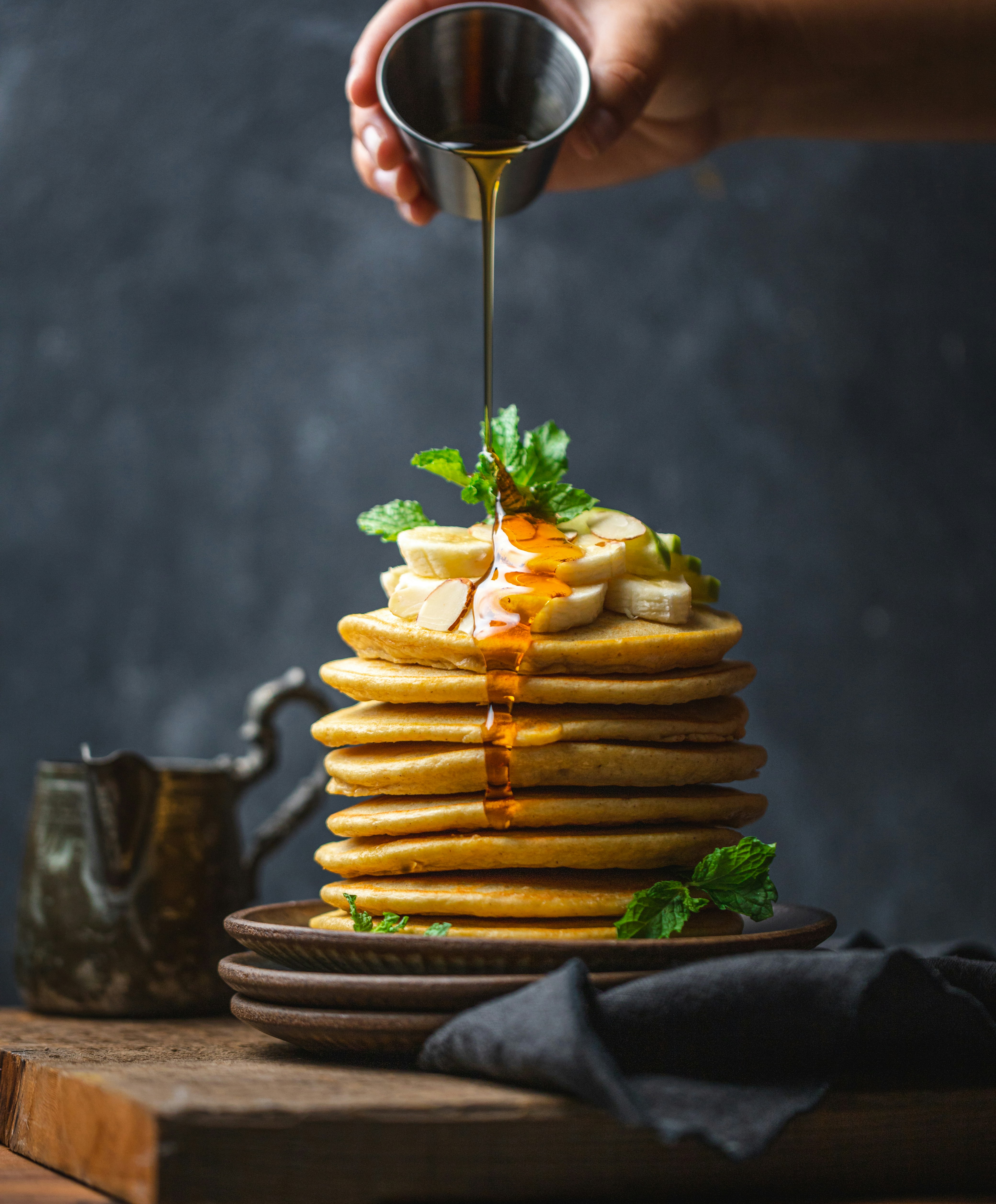
Sample high-protein Indian vegetarian meal with dal, paneer and roti
You can rotate dals, paneer, soy, and eggs throughout the week.
9. FAQs —
What is desi protein?
Desi protein refers to Indian protein-rich foods such as dals, chana, paneer, soy, peanuts, eggs, fish, and homemade desi protein powders.
Which desi food has highest protein?
Soy chunks, paneer, peanuts, and eggs are among the highest protein desi foods.
How much protein do Indians need daily?
Most adults need 0.8–1g/kg/day; fitness enthusiasts need 1.2–2g/kg/day.
10. Why Desi Protein Wins
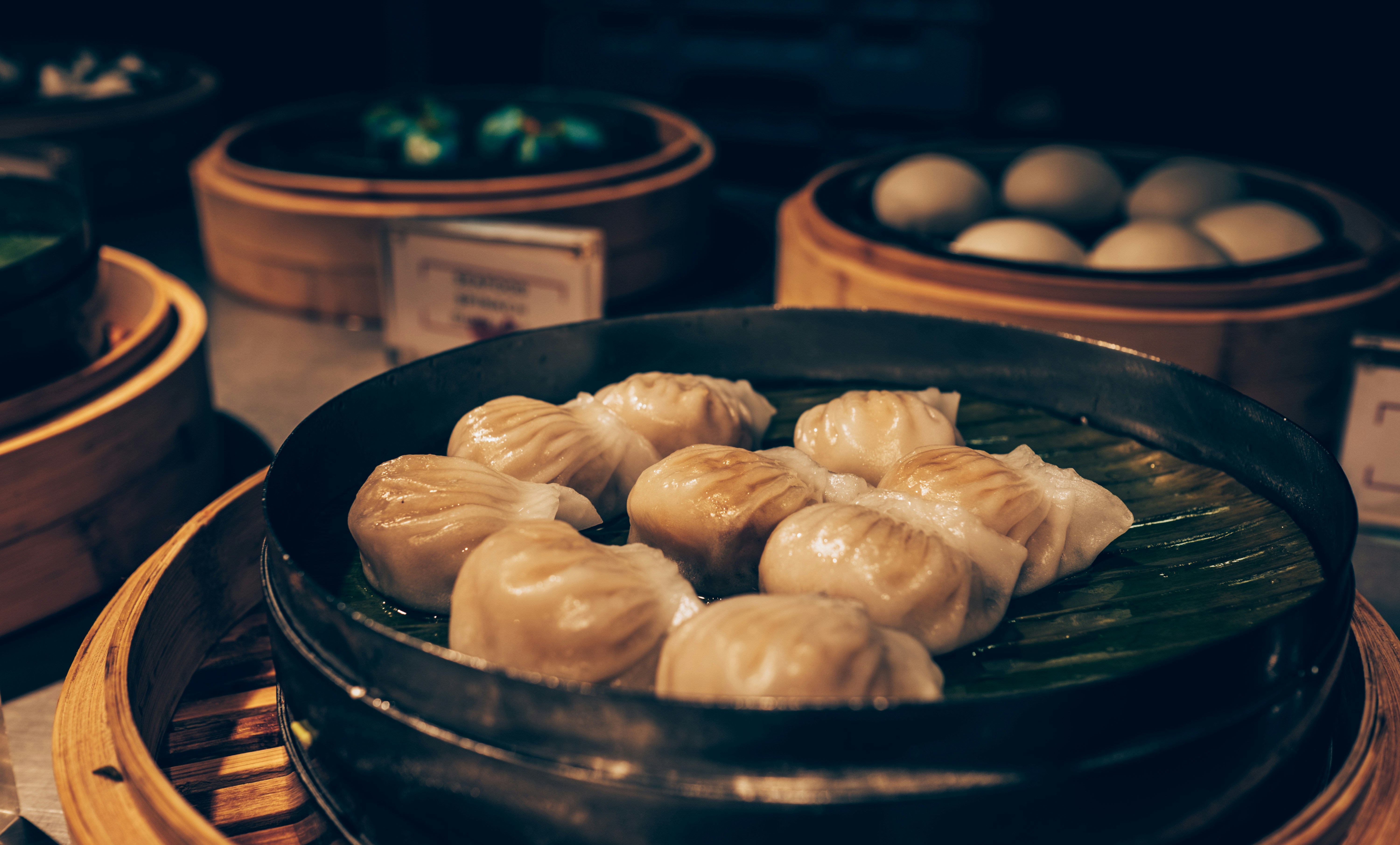
Desi protein fits naturally into Indian family meals and culture
Desi protein is affordable, accessible, nutritious, and culturally compatible. Whether you're building muscle, managing weight, or improving energy levels — Indian protein foods deliver exceptional results without burning your wallet.
Start with simple additions:
- Eat 1 cup dal daily
- Add roasted chana or peanuts as snacks
- Use homemade desi protein powder
- Include paneer or soy in 1 meal
You don't need expensive supplements to build a strong, healthy body — your Indian kitchen already has everything.