
Impact of Increasing Dollar Value Compared with Indian Currency on Business
Table of Contents
- Introduction
- What Does an Increasing Dollar Value Mean?
- Historical Trend of USD vs INR
- Impact on Indian Businesses
- Impact on Key Business Sectors
- Impact on Startups & MSMEs
- Impact on Investment & Financial Markets
- Impact on Indian Consumers
- How Businesses Can Protect Themselves
- Government Measures & Policy Responses
- Future Outlook of INR vs USD
- AI Overview – Quick Summary
- FAQ
1. Introduction
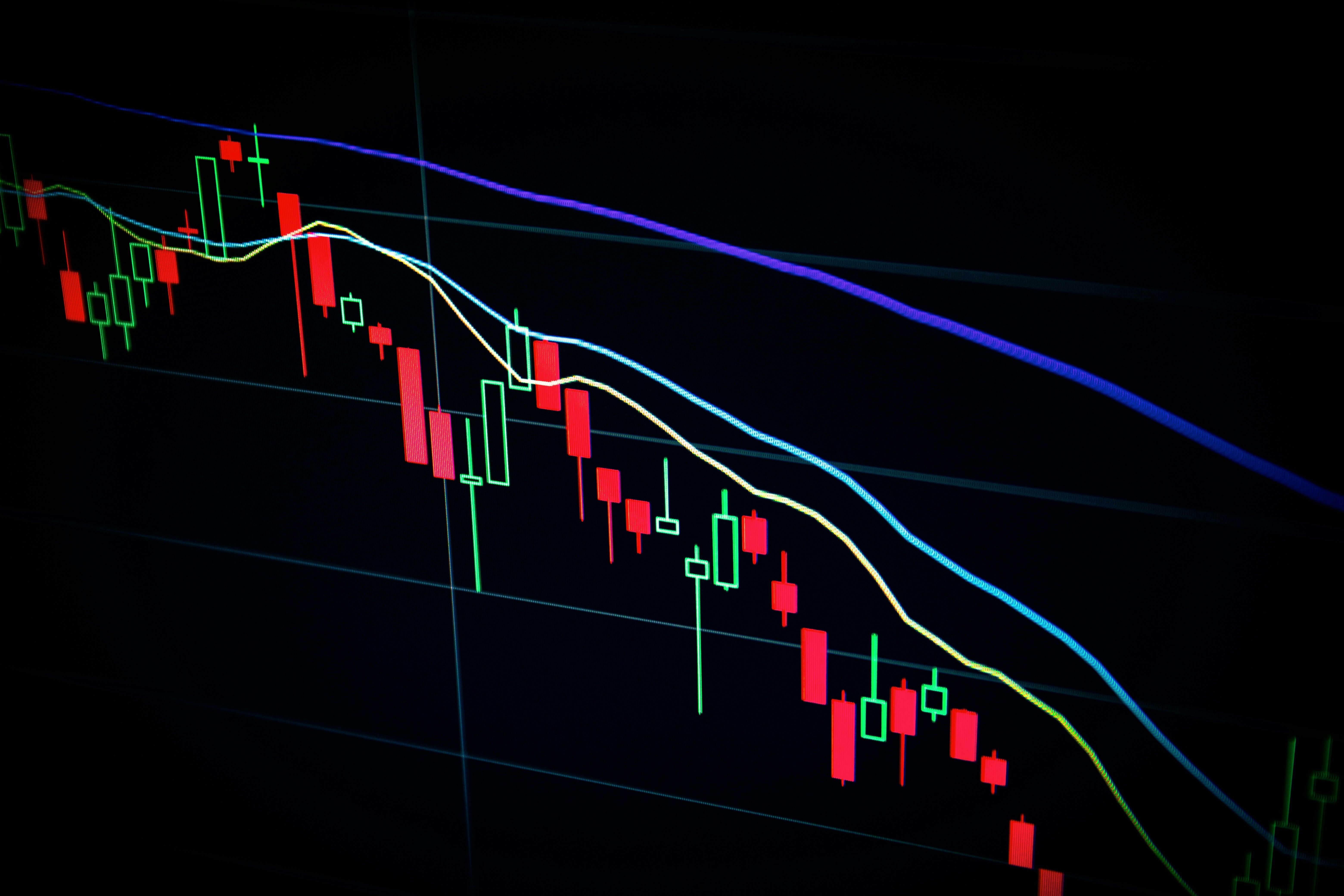
The rising dollar compared to the Indian rupee has become a major discussion point among economists, investors, and business owners. Whenever the US dollar strengthens, emerging markets like India feel a ripple effect across industries—ranging from import costs to consumer inflation.
As the rupee weakens, businesses dependent on imports face higher operating expenses, while exporters may benefit from improved global competitiveness. This complex relationship between USD and INR plays a crucial role in shaping India’s economic stability, trade performance, and investment climate.
2. What Does an Increasing Dollar Value Mean?
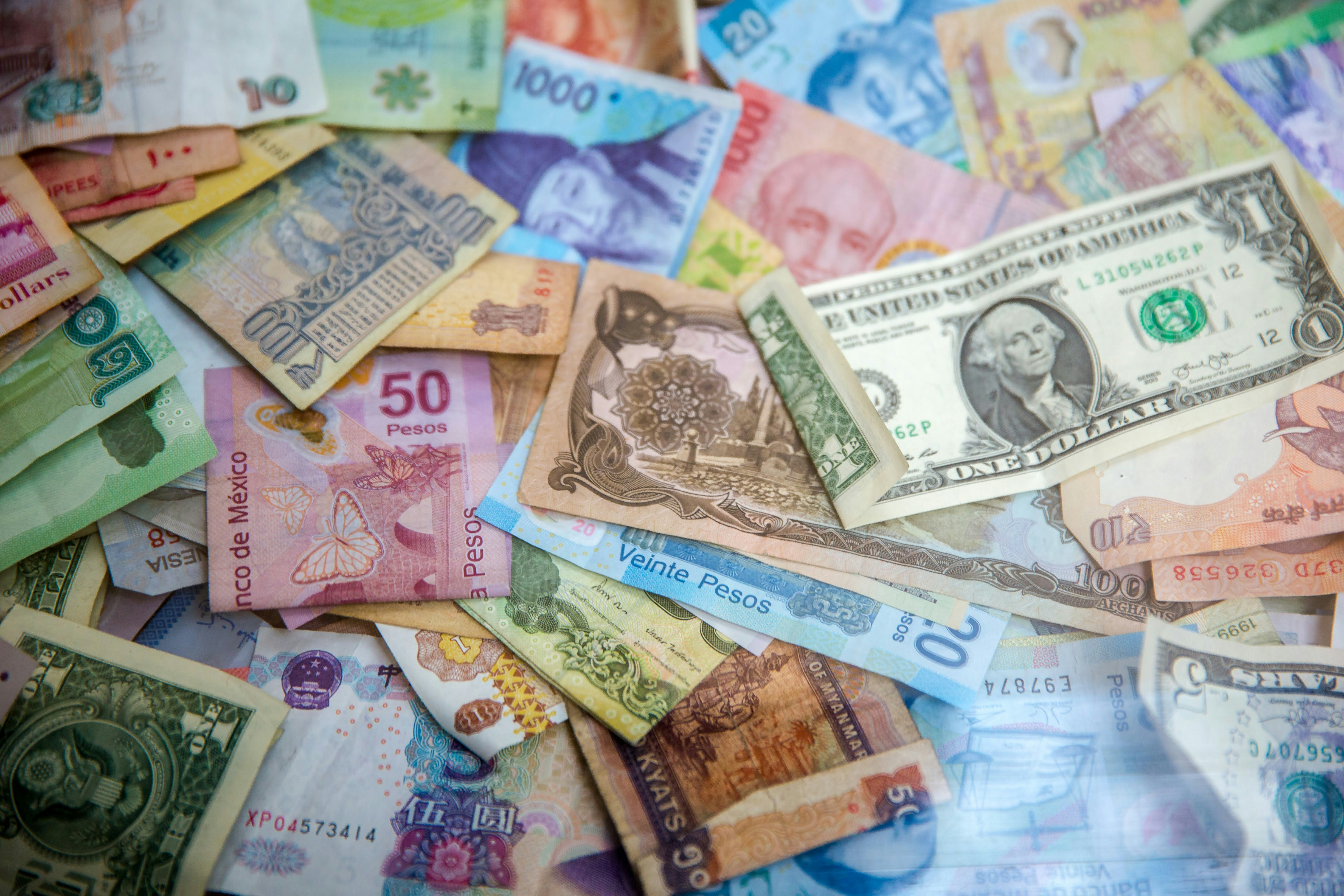
When the dollar strengthens against the Indian rupee, it means the rupee’s value is falling or depreciating. This depreciation is influenced by:
- Inflation in India or the US
- Interest rate decisions by the US Federal Reserve
- Foreign investment inflow or outflow
- Global market uncertainties and geopolitical events
Why is the dollar rising against the Indian rupee?
The dollar rises due to strong US economic performance, higher interest rates, high oil prices, global political tensions, and the flight of foreign investors toward safer assets like the US dollar.
How does the US economy affect the Indian rupee?
US monetary tightening increases foreign investment outflow from India, weakening the rupee. Global investors prefer the dollar during uncertainty, causing USD demand to rise.
3. Historical Trend of USD vs INR
The rupee has gradually depreciated over decades. From around ₹10 per USD in the early 1980s to over ₹80+ in recent years, several macroeconomic events influenced the exchange rate:
- 1991 economic crisis and liberalization
- 2008 global financial crisis
- COVID-19 pandemic
- Rising crude oil prices
- Global inflation and US Federal Reserve rate hikes
4. Impact of Increasing Dollar Value on Indian Businesses

4.1 Import-Dependent Industries
India imports electronics, machinery, crude oil, chemicals, and industrial components. As the dollar strengthens, costs increase, reducing profit margins for:
- Automobile manufacturers
- Electronics brands
- Chemical industries
- Construction sector
4.2 Export-Oriented Industries
A weaker rupee benefits exporters because they receive more rupees for every dollar earned. This benefits:
- IT and software companies
- Textiles and handicrafts
- Pharmaceutical exporters
- Agricultural exports
Is a weaker rupee good or bad for exporters?
It is good for exporters because earnings in USD convert to higher INR amounts. However, if exporters depend heavily on imported raw materials, their cost increases.
5. Impact on Key Business Sectors
5.1 Oil & Energy Sector
India imports more than 85% of its crude oil. A rising dollar makes fuel costlier, leading to:
- Higher petrol and diesel prices
- Increased transportation costs
- Higher electricity production costs
- Inflation in essential commodities
5.2 Automobile Sector
Many automotive components are imported. As the dollar rises, manufacturing becomes more expensive, increasing the final price of vehicles.
5.3 Pharmaceutical & Healthcare Industry
India imports Active Pharmaceutical Ingredients (APIs) from China. A strong dollar makes medicine production costlier.
5.4 Aviation & Travel Industry
Aviation turbine fuel (ATF) is priced in dollars. Further:
- Air ticket prices rise
- International travel becomes expensive
- Airlines face increased operational costs
Why do fuel prices rise when the dollar strengthens?
Because crude oil is traded globally in USD. A stronger dollar means India pays more rupees for the same amount of oil.
6. Impact on Startups, Small Businesses & MSMEs

Startups and MSMEs often buy software tools, digital services, and imported machinery—all priced in USD. This leads to:
- Higher subscription costs (SaaS, cloud tools)
- Increased manufacturing expenses
- Reduced profit margins
- Higher loan and operational burden
How does dollar price impact small businesses in India?
It increases their operating cost, reduces purchasing capacity, and increases product pricing, making them less competitive.
7. Impact on Investment & Financial Markets
7.1 Stock Market Influence
Foreign Institutional Investors (FIIs) often withdraw money from Indian markets during global uncertainty. This causes:
- Stock market volatility
- Drop in Sensex and Nifty
- Weaker performance of sectors dependent on imports
7.2 Forex Reserves & Borrowing
India has to spend more dollars to service foreign debt when the rupee weakens. This impacts national reserves and financial planning.
7.3 Gold Market Relation
When the rupee depreciates, gold prices rise, as gold is globally traded in USD.
Does a stronger dollar affect the Indian stock market?
Yes, FIIs withdraw money, causing market instability and affecting sectors like finance, auto, and IT.
8. Impact on Indian Consumers

A rising dollar affects Indian consumers in the following ways:
- Costlier electronic items (phones, laptops)
- Higher petrol and diesel prices
- Increased travel expenses
- Costlier imported household goods
9. How Businesses Can Protect Themselves
9.1 Currency Hedging

Companies can use hedging tools like:
- Forward contracts
- Currency futures
- Options
9.2 Supply Chain Diversification
Businesses can reduce import reliance by sourcing from multiple countries or local suppliers.
9.3 Price and Cost Optimization
Bulk purchasing, efficient logistics, and automation help reduce costs.
How can businesses manage currency risk?
By hedging, reducing import dependency, and diversifying markets.
10. Government Measures & Policy Responses
The government and RBI take actions to stabilize the rupee:
- Increasing interest rates
- Enhancing forex reserves
- Encouraging foreign investment
- Controlling inflation
- Market intervention to stabilize currency
11. Future Outlook: Will the Rupee Recover?
Experts predict that the rupee may continue to face pressure due to global uncertainties, fluctuating oil prices, and US monetary policies. However, India’s strong economic growth, rising exports, and global manufacturing push may strengthen the rupee in the long term.
What is the future of INR vs USD?
The rupee may stabilize depending on global inflation, oil prices, interest rates, and India’s growth momentum.
12. Quick Summary
Artificial Intelligence analysis shows that the rising dollar impacts Indian business in three major ways:
- Cost Escalation: Imports, fuel, and digital services become expensive.
- Profit Shifts: Exporters gain, importers lose.
- Investment Impact: Stock market volatility increases as FIIs move funds.
AI-driven forecasting tools suggest businesses should adopt hedging, digital optimization, and diversified sourcing to reduce risks from currency fluctuation.
FAQ: Impact of Increasing Dollar Value
1. Why does the dollar increase against the rupee?
Due to higher US interest rates, foreign investment outflow, and global market uncertainty.
2. Who benefits from a weaker rupee?
Export industries like IT, textiles, and pharmaceuticals.
3. How does a strong dollar affect Indian consumers?
It increases the cost of imported goods, fuel, gadgets, and travel.
4. How does currency depreciation affect small businesses?
It increases operating cost and reduces competitiveness.
5. Can the rupee strengthen again?
Yes, depending on India's economic growth, controlled inflation, and stable global conditions.